Ten years ago, if you asked someone what made a kitchen cabinet high quality, the answer was usually about materials. Solid wood. Dovetail joints. Thick boards. The assumption was that quality lived in the physical substance of the product — that heavier meant better, and that the most obvious indicator of quality was how substantial the cabinet felt when you opened the door.
That definition still has some validity. Board quality matters. Edge banding matters. Finish durability matters. But the way buyers, designers, and manufacturers understand quality in cabinetry has expanded significantly, and some of what used to be considered premium no longer is.
The Shift Away from “Heavy Equals Good”
The previous generation of high-end cabinetry was built to demonstrate its own weight. Thick solid-wood doors, heavy carcasses, hardware that felt deliberately substantial. This aesthetic communicated quality in an era when the alternative was obviously cheap: thin particleboard, peeling laminate, hinges that sagged after a year.
The engineering of cabinet materials has improved considerably since then. Modern high-density board products with appropriate surface treatment and quality edge banding perform comparably or better than many older solid-wood constructions in terms of dimensional stability — they resist warping and moisture variation more reliably than solid timber in residential environments. The gap between “quality materials” and “heavy materials” has widened.
At the same time, hardware has become a more central quality indicator than it used to be. A decade ago, hardware quality was measured by whether it worked reliably and lasted. Now, it’s measured by how it feels during use — the specific damping of a soft-close drawer, the resistance profile of a heavy-load hinge, the tactile quality of the handle or pull. Buyers who’ve experienced well-specified hardware notice its absence immediately, and this has shifted where attention falls during quality evaluation.
Finish Quality Has Become More Demanding
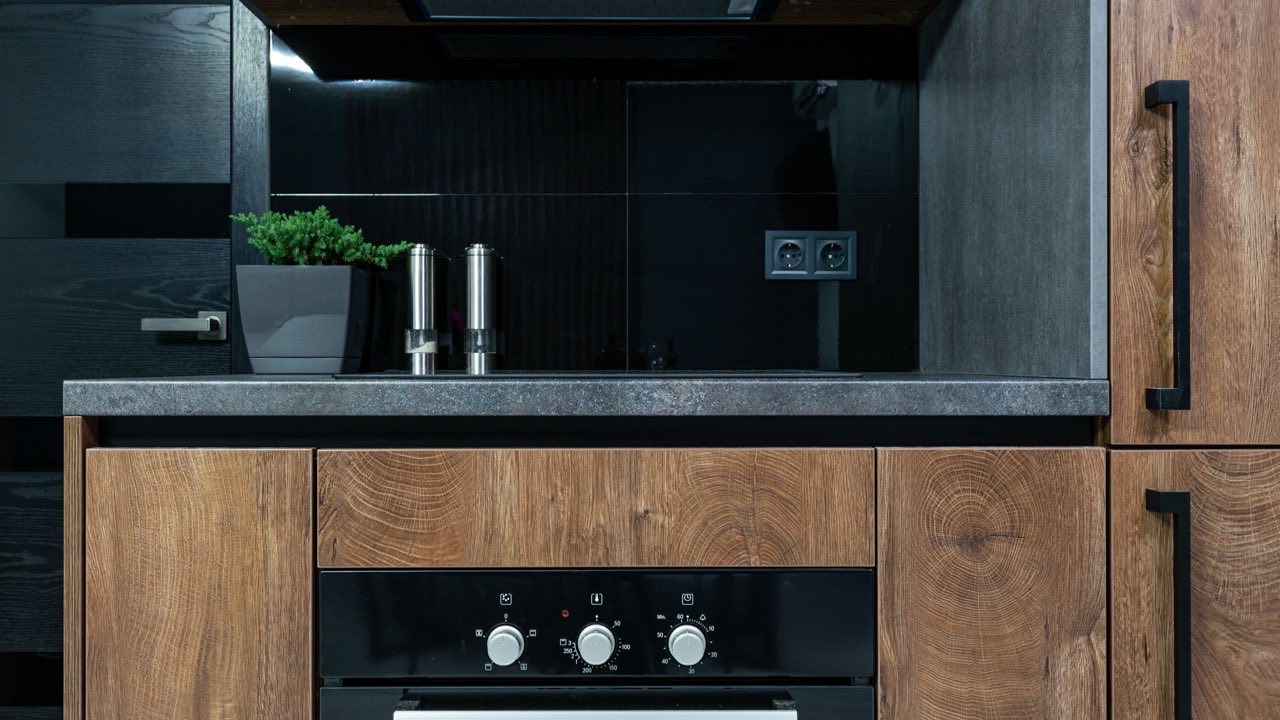
Finish technology in cabinetry has moved faster than almost any other element of the product. UV-cured lacquer finishes, high-pressure laminate surfaces, and textured finishes that replicate natural materials like stone and wood have become technically refined enough that distinguishing them from the originals requires close inspection under controlled lighting.
This has raised the bar on what counts as a quality finish in two directions. First, the actual quality of the finish application — whether the coating is even, whether texture is consistent across panels, whether colour matches between batches — has become much more scrutinized because the technology now exists to do it right, and a manufacturer who doesn’t is making a production choice, not a technical limitation.
Second, durability expectations have increased. Buyers who invest in custom cabinetry expect the finish to look the same in year five as it did at installation. Finishes that show wear at cabinet corners, develop sheen variation in high-contact zones, or fade unevenly are no longer tolerated as normal. The standard has moved.
Integration Has Become a Quality Dimension
A decade ago, a kitchen was a kitchen, a wardrobe was a wardrobe, and a bathroom vanity was a bathroom vanity. They might be purchased from different suppliers, designed at different times, and installed by different trades. The quality of each element was evaluated independently.
What’s changed is the expectation that these elements relate to each other — that the material palette, finish tone, and hardware language across a home should cohere rather than simply coexist. This has created a new quality dimension that wasn’t part of the conversation ten years ago: whether the supplier can coordinate across room types with consistent material standards and production quality.
For renovations or new builds where multiple spaces are being fitted at once, this coherence is now part of what buyers are evaluating. A kitchen that looks excellent in isolation but clashes with the adjacent living room storage unit or the master bathroom vanity is no longer considered a fully successful outcome. Integration has become a quality expectation, not a nice-to-have.
Sustainability Credentials Have Moved from Marketing to Baseline
Environmental certification for board materials — formaldehyde emission ratings, responsible sourcing credentials — was a differentiating claim a decade ago. Some manufacturers had it; others didn’t. Buyers who cared about it had to ask specifically.
The market has moved. In most residential segments where custom cabinetry is being sold, buyers expect the materials to meet current emission standards as a baseline rather than a premium. A manufacturer who can’t produce current E0 or ENF certification documentation on request is now at a disadvantage rather than simply at parity.
This has also affected what constitutes a credible quality claim. A manufacturer who leads with certifications earned fifteen years ago, or who references standards that have since been superseded, is signaling that they haven’t kept pace with the market. Current certification is now table stakes, not evidence of exceptional quality.
What Quality Actually Means Now
The definition of quality in cabinetry has moved from a single axis — materials — to several: materials, hardware specification, finish technology and durability, production precision, integration capability, and verifiable environmental credentials. A product that scores well on only one of these dimensions is no longer considered high quality by most informed buyers.
For anyone researching what current quality standards look like in practice — or trying to understand what distinguishes a manufacturer’s claims from their actual production standards — latest industry insights from established manufacturers who publish substantive content on these topics can be a useful way to assess how seriously a supplier engages with the technical side of what they make. The willingness to discuss quality in detail, rather than in marketing generalities, is itself an indicator.