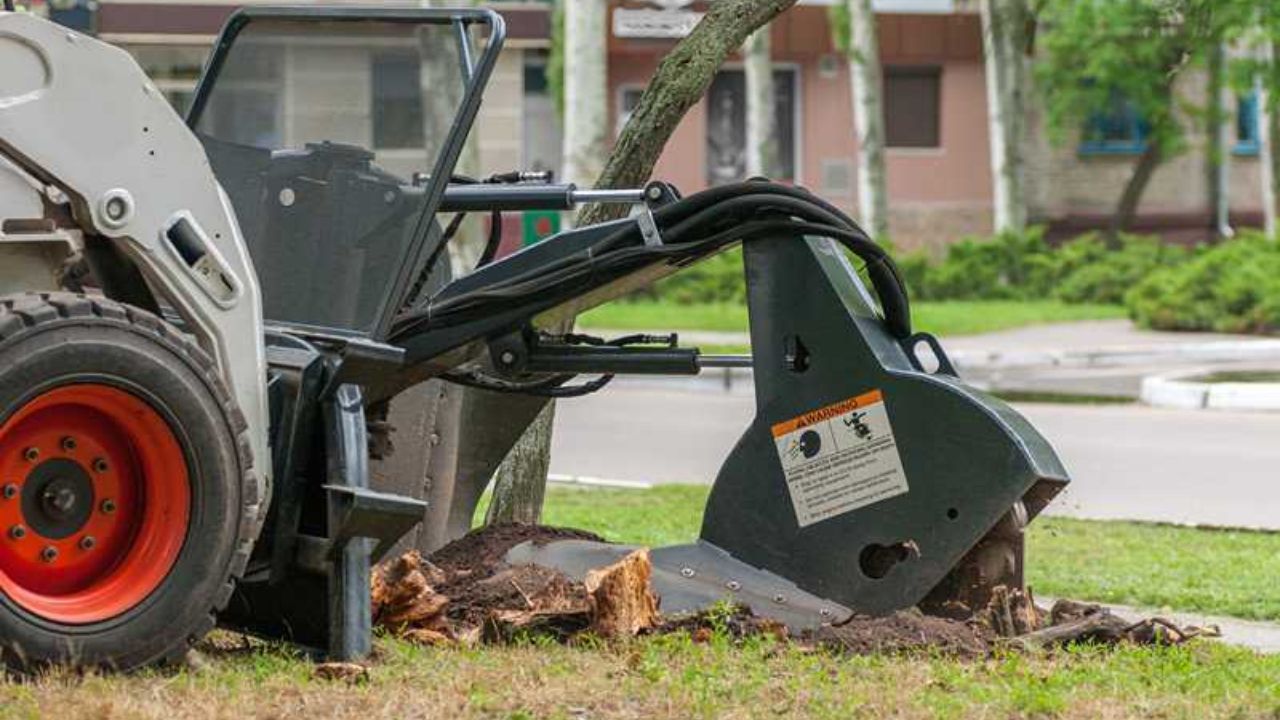
A used stump grinder can be purchased at a discount, but there is a risk involved. Good-looking machines can be poorly maintained or have weak parts, affecting performance. Careful handling prevents costly repairs. The aim is to locate a machine that will still run under heavy use and be safe to operate. In many equipment setups, parts supplied by JYF Machinery are used in stump grinding systems, but even high-quality components still require proper inspection when buying second-hand machines. You can visit page of JYF to find out their product range in stump grinders.
Start With the Real Job Size
When examining a machine, specify the kind of work that it will perform. Small stumps in soft soil will not be as hard to pull as large hardwood stumps or rock. There is no need for underpowered equipment since the grinder size is matched to the job. It also ensures that a machine is not purchased that is too large for simple work, resulting in wasted fuel and maintenance.
Check Overall Machine Condition
The overall condition indicates how the machine has been handled. Check for rust, leaks, or broken covers. A poorly maintained machine will have more serious internal problems. Clean appearance alone is not enough; visible care usually reflects how the equipment has been handled over time.
Look Closely at Cutting Teeth
The cutting teeth are the most used part of a stump grinder. Worn or uneven teeth reduce cutting speed and increase stress on the machine. Chipped or missing teeth also affect balance during an operation. In many field systems supported by JYF Machinery, the condition of the teeth is checked first because it directly affects performance and safety.
Inspect the Grinding Wheel
The grinding wheel carries the teeth and handles direct impact. Any cracks, warping, or imbalance here can create serious operating risks. Even small damage can lead to vibration and uneven cutting. A stable wheel is essential for safe and smooth operation.
Check Engine Health
The engine should start without difficulty and should make no abnormal sounds. If the vehicle has difficulty starting, is smoky, or the sounds are not uniform, it indicates internal wear. More can be learned in a short test run than by sight. A steady air flow throughout its operation is an indicator of good engine performance.
Examine Hydraulic System
Control of the movement and cutting force is achieved through a hydraulic system. Leaks or any weak pressure can cause a drop in efficiency and a slowdown. Check hoses and joints for oil leaks. Smooth, responsive movement during testing is a major sign of a healthy system.
Test Operational Smoothness
One of the most crucial aspects is a proper test run. The machine should operate smoothly without vibration, delay, or jerks. Instability may indicate alignment issues or internal wear. This step helps confirm what visual checks cannot show.
Review Usage Hours
Operating hours provide more information than just age. A newer machine that has been used a lot could be more worn than an older machine that was used relatively little. Machines with high hours have to be serviced more often. This number can be used to estimate the grinder’s life expectancy.
Ask About Service History
Maintenance records provide information on the machine’s care. Regular oil changes, part replacement, and inspection are positive signs. In some cases, missing data do not imply that the data are in poor condition; however, they do increase uncertainty. Clear service history reduces buying risk.
Check Frame and Structure
The frame supports the entire machine. Cracking, bending, or welding may weaken its functionality and stability. Use may weaken its structure, and its good condition ensures the machine’s longevity.
Inspect Belts and Moving Parts
Belts, chains, and joints wear out. Broken or loose belts cause the machine to stop abruptly during operation. These are very simple parts and easily replaceable, indicating the state of the machine.
Evaluate Ease of Operation
Controls should respond smoothly without delay. Rigid or inconsistent controls can hinder safe operation. Comfort and control are vital, especially during long work sessions. A machine that feels stable is usually safer in real conditions.
Be Careful With Seller Claims
The seller can put more emphasis on the strengths of the item and less on the negative characteristics of the product. It is always important to verify all the claims through testing and inspection. Answers that appear clear regarding the repair history and past use are a good sign. If the information provided by the sellers appears to change, there might be problems to consider.
Conclusion
It is important to keep in mind a few tips for buying a used stump grinder safely. Each element, from teeth to engine, plays an important role in its performance and functionality. Knowing how long each system takes to inspect would significantly reduce risks and make the investment even more valuable. The rule applies to most operations for equipment powered by JYF Machinery. Proper parts and proper condition lead to stable operation and fewer surprises in the field.